July 20, 2026
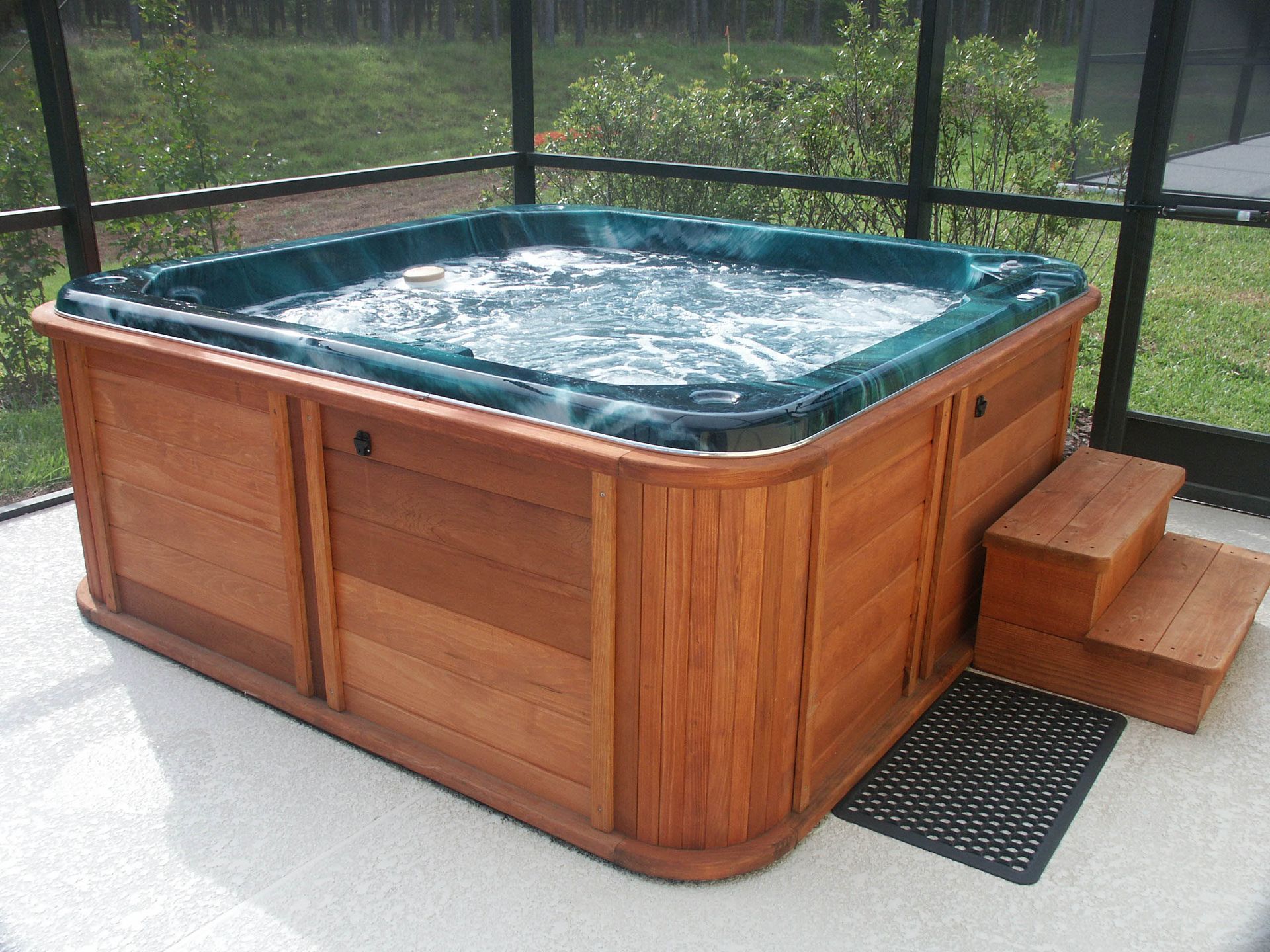
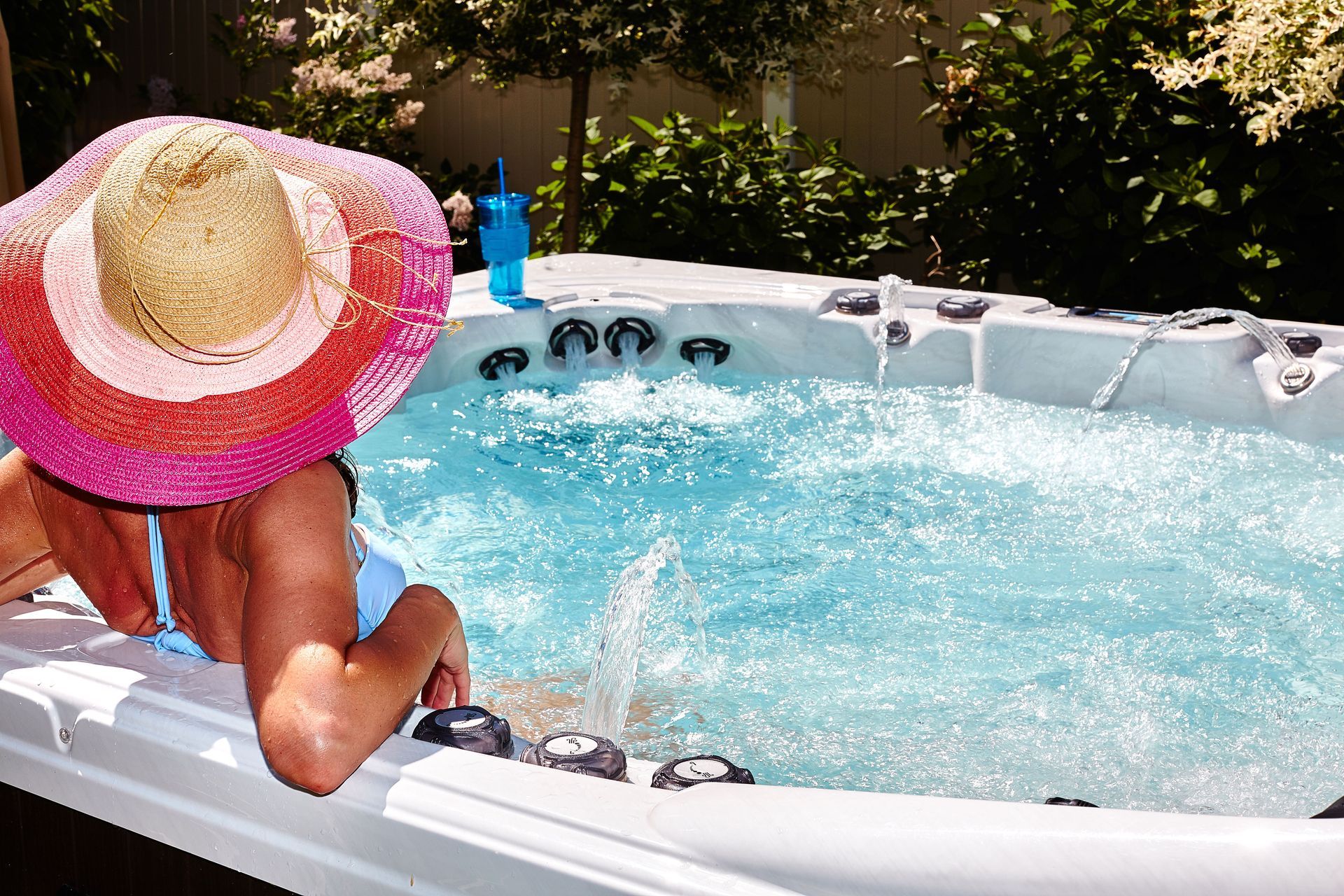
Many homeowners dream of installing hot tubs to create a personal retreat in their own backyards. The appeal of warm water therapy draws individuals seeking relief from daily stress. Transforming an ordinary patio into an inviting oasis requires careful planning. Buyers must navigate various options, features, and technical requirements before making a purchase. The market offers a vast array of models, each designed to meet specific therapeutic and recreational desires.
The decision-making process involves balancing practical constraints with desired amenities. Shoppers should assess their properties, evaluate their physical needs, and outline clear expectations for upkeep. A well-chosen spa enhances property value and provides a dedicated space for relaxation. By focusing on critical factors like dimensions, seating, water care, and efficiency, prospective owners ensure long-term satisfaction. Exploring these elements guarantees a successful integration of the unit into daily routines.
Evaluating Space and Location Requirements
The initial phase of selecting a spa involves analyzing the intended installation site. Homeowners must measure the available outdoor space, accounting for clearance around the unit. Ample room remains necessary for steps, cover lifters, and routine maintenance access. A cramped location restricts movement and complicates future servicing. Buyers should map out the exact footprint on the ground to visualize the final arrangement.
Structural support plays a vital role in site preparation. Spas hold an immense volume of water, creating significant weight. Decks require professional reinforcement to bear the load without structural failure. Concrete pads offer a stable, durable foundation for heavy aquatic fixtures. Homeowners must secure proper structural assessments before proceeding with installation plans. Safety remains the foremost priority when dealing with substantial structural loads.
Delivery logistics demand equal attention during the planning phase. Large units require clear pathways from the street to the backyard. Fences, gates, and mature landscaping present potential obstacles for delivery crews. Buyers must measure all clearance points, including overhead branches and roof eaves. In some scenarios, limited access necessitates crane services to lift the unit over the house. Anticipating delivery challenges prevents installation delays.
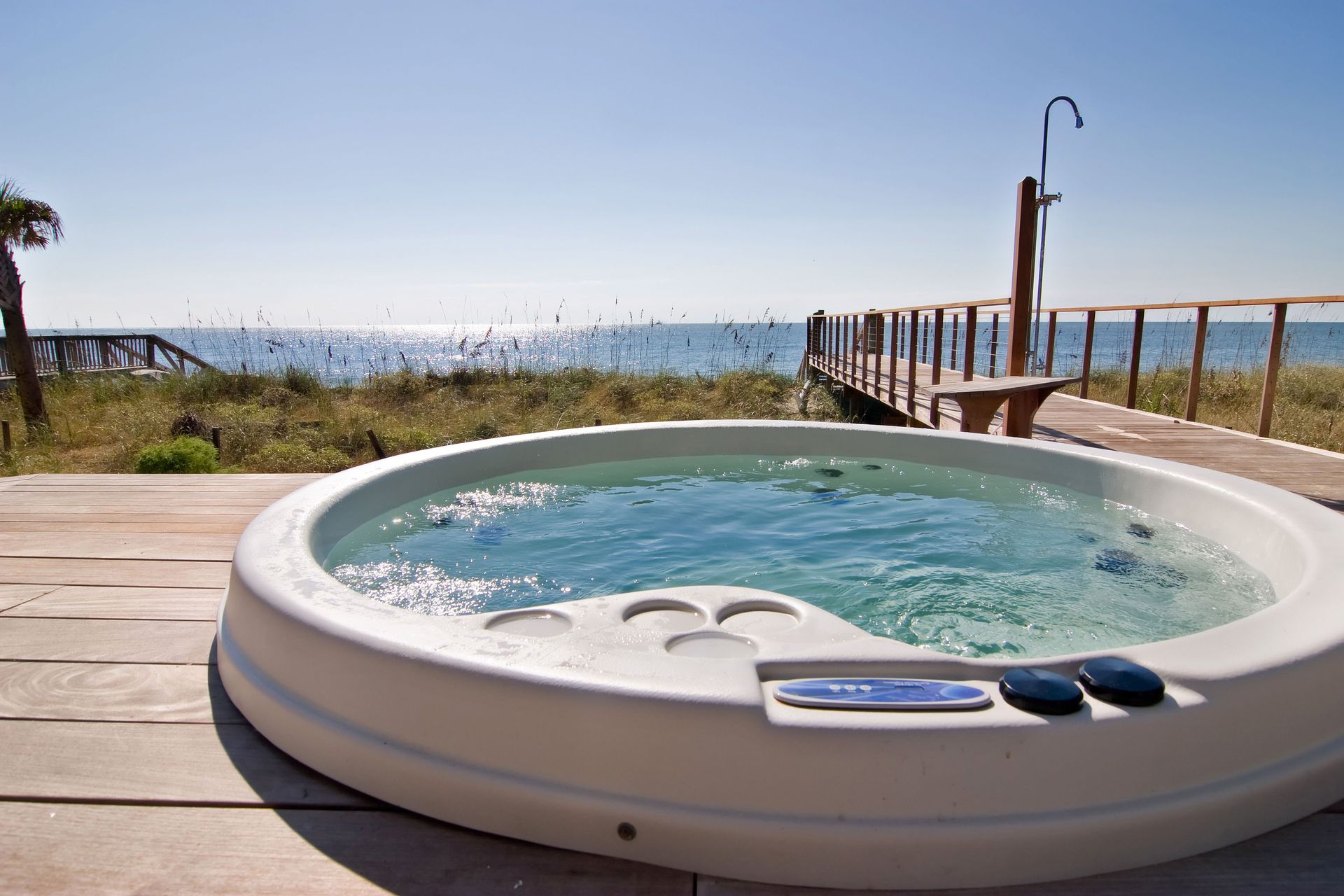
Aesthetic integration ensures the new addition complements existing landscaping. The unit should blend with the surrounding environment rather than dominating the yard. Strategic placement near existing patios or gardens creates a cohesive outdoor living area. Privacy concerns dictate positioning, as bathers prefer seclusion from neighboring properties. Incorporating natural screens, such as tall shrubs or privacy fences, enhances the relaxing atmosphere.
Determining Usage and Seating Preferences
Identifying the primary users helps dictate the ideal spa dimensions. Families with children require spacious models with abundant seating. Couples might prefer compact units designed for intimate conversation. When selecting hot tubs, buyers must match the capacity to their social habits. Entertaining large groups necessitates expansive footwells and multiple seating tiers. A mismatched size leads to cramped conditions or wasted energy heating unused space.
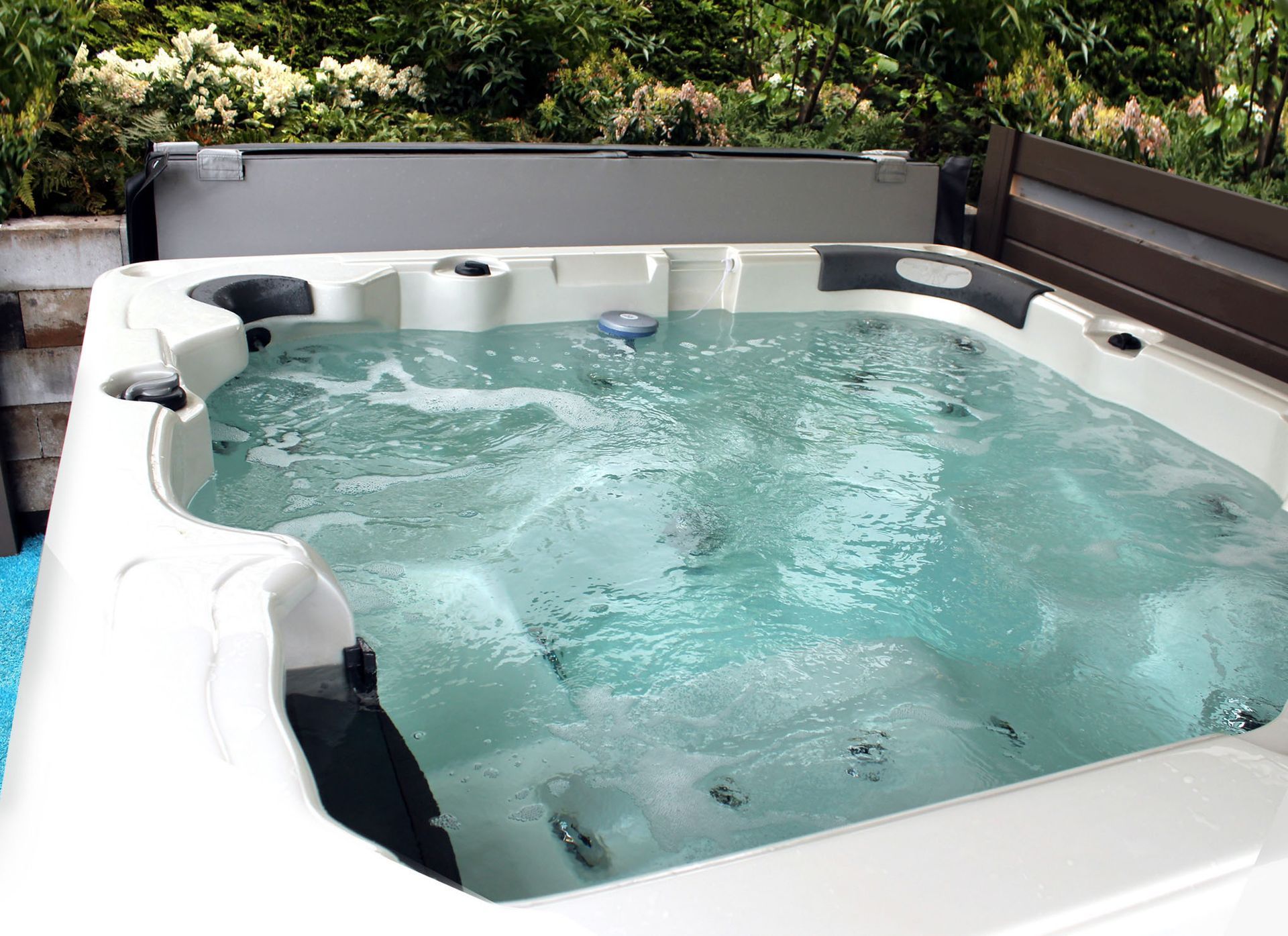
Therapeutic features separate basic soaking pools from advanced hydrotherapy machines. Buyers seeking muscle relief should examine jet configurations. Different jets target specific muscle groups, offering varied massage intensities. Shoppers must sit in dry models to test the ergonomic design and jet placement. A deep massage seat benefits individuals with chronic back pain, while softer bubbles suit casual relaxation. Tailoring the hydrotherapy options maximizes the therapeutic benefits.
Seating styles vary across different spa designs. Lounger seats allow users to recline, keeping the entire body submerged. While loungers provide full-body massages, they consume substantial interior space. Open seating arrangements maximize capacity, allowing bathers to converse face-to-face. Buyers must choose between maximizing the guest count and prioritizing individual comfort. Testing both configurations helps solidify seating preferences.
Prospective owners should factor future lifestyle changes into their decisions. A growing family will need greater capacity. Aging users might require shallower steps and grab bars for safe entry. Selecting a versatile design accommodates shifting needs over time. A flexible interior layout ensures the unit remains functional as the household dynamic evolves. Forethought prevents the need for premature upgrades or replacements.
Analyzing Maintenance and Sanitation Needs
Water care represents an ongoing commitment for spa owners. Maintaining pristine water conditions prevents bacterial growth and equipment degradation. Buyers must learn about pH balances, alkalinity, and sanitizer levels. Dedicated upkeep ensures a safe soaking environment for all users. Individuals with busy schedules should seek automated water care systems to minimize manual labor. Routine maintenance preserves the longevity of the internal components.
Advanced filtration systems assist in keeping the water clear and inviting. High-density filters trap microscopic debris, reducing the burden on chemical sanitizers. Circulation pumps move water through the filter, preventing stagnation. Buyers should inquire about the frequency of filter replacements and cleaning procedures. Efficient filtration reduces overall chemical consumption and simplifies weekly chores. Quality filtration remains essential for optimal performance.
Chemical sanitization remains a critical component of water safety. According to the CDC, proper sanitation for hot tubs requires chlorine to be at least three parts per million, and users should speak with a professional if chlorine levels exceed ten parts per million. Monitoring chemical levels requires routine testing using specialized strips or liquid kits. Consistent sanitation prevents skin irritations and waterborne illnesses.
Covers and insulation play crucial roles in maintaining water quality. A tight-fitting cover blocks debris, leaves, and insects from entering the water. An insulated cover prevents chemical evaporation, stabilizing the water balance. High-quality foam insulation within the cabinet protects plumbing lines from freezing temperatures. Buyers must invest in durable covers to reduce maintenance frequency and protect their investment from environmental factors.
Establishing Budget and Efficiency Standards
Financial planning extends beyond the initial purchase price. Premium hot tubs feature superior construction and advanced technology, commanding higher upfront costs. Budget-friendly models might incur higher operating expenses over their lifespan. Buyers must account for site preparation, electrical wiring, and delivery fees in their total budget. A comprehensive financial plan prevents unexpected financial strain during the installation process.
Energy efficiency dictates the monthly operating costs of the unit. Full-foam insulation retains heat within the water, reducing the workload on the heater. Efficient pumps circulate water using minimal electricity. Buyers should review energy guides and consumption estimates provided by manufacturers. Investing in an energy-efficient model yields significant savings on monthly utility bills. Operational efficiency remains a crucial factor for budget-conscious consumers.
Warranty coverage offers peace of mind and financial protection. Comprehensive warranties cover the shell, plumbing, internal equipment, and labor. Shoppers must read the fine print to understand the limitations and duration of the coverage. A strong warranty indicates the manufacturer's confidence in product durability. Reliable customer service ensures prompt repairs and part replacements when issues arise. Evaluating the warranty remains vital for long-term satisfaction.
The installation of a luxury spa adds tangible value to a residential property. A well-maintained unit appeals to future homebuyers, enhancing the outdoor living space. High-quality materials and attractive designs elevate the aesthetic appeal of the backyard. Homeowners should view the purchase as a long-term investment in their property and their well-being. Balancing cost with quality guarantees an enduring and valuable home addition.
Finding the perfect hot tubs involves thorough research and thoughtful evaluation. Homeowners must analyze their available space, determine their seating preferences, and establish a realistic budget. Addressing maintenance expectations ensures the ongoing enjoyment of the aquatic retreat. By matching spa features to specific needs, buyers create an ideal environment for relaxation and socialization. The selection process requires patience and attention to detail.
An informed decision results in a backyard oasis that delivers years of comfort. A personal spa provides a sanctuary from the demands of modern life, offering daily physical and mental rejuvenation. Prospective buyers achieve optimal satisfaction by prioritizing quality, efficiency, and ergonomic design. Embracing the therapeutic benefits of warm water therapy transforms ordinary routines into extraordinary experiences. The right spa becomes an integral part of a healthy, balanced lifestyle. We at G-Spa Saunas invite you to explore our showroom and discover the ideal relaxation setup for your home. Contact us to view our selection of hot tubs and begin your backyard transformation.